A New Chip Architecture Promises to Break the Memory Bottleneck
By moving computation closer to where data lives, a generation of new processors aims to solve the problem that has quietly throttled performance for years.
 By Julian Reyes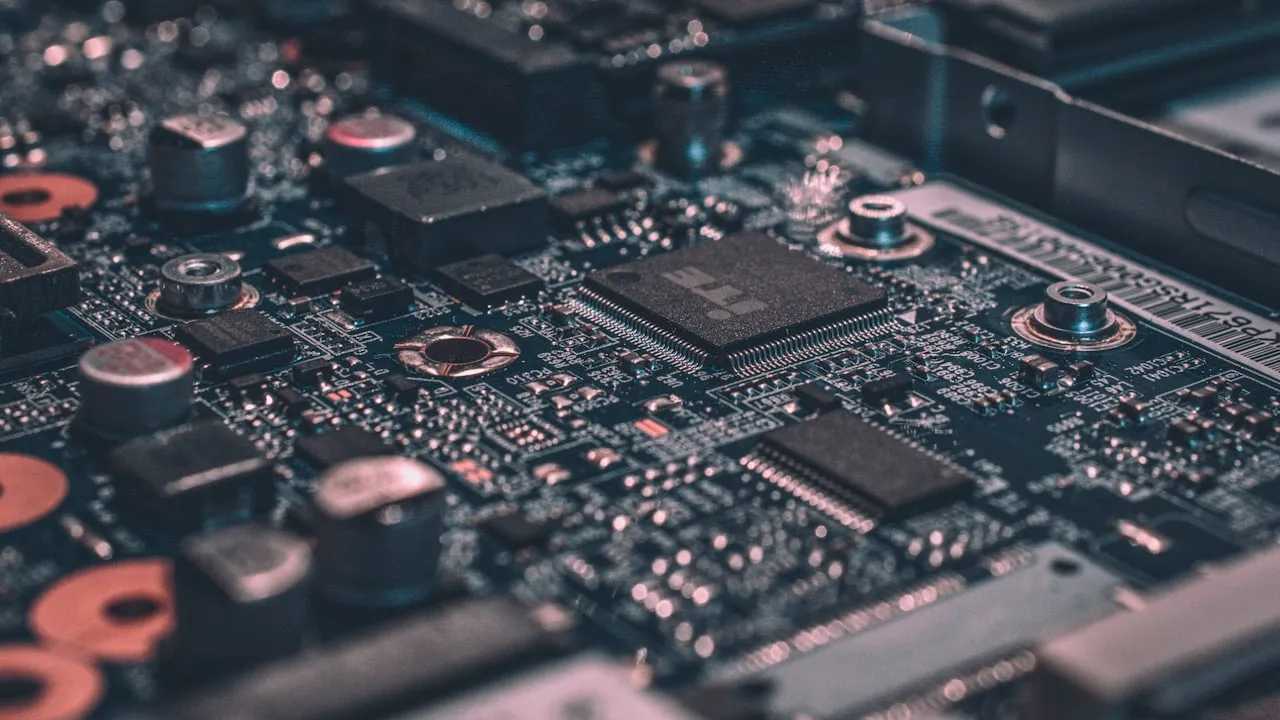
The dirty secret of modern computing is that processors spend most of their time waiting. Not for instructions — those arrive fast — but for data, which has to be ferried back and forth from memory across a bottleneck that has not kept pace with the chips it feeds.
A clutch of new architectures aims to fix that by inverting the usual layout. Instead of moving data to the processor, they move a little processing to the data, embedding modest computation directly inside the memory itself. For the workloads that define this decade — training and running large AI models, above all — the gains are not incremental. Early silicon shows several-fold improvements in the operations that matter, at a fraction of the energy.
Instead of moving data to the processor, they move a little processing to the data.
The idea is not new; engineers have sketched “processing-in-memory” designs for decades. What has changed is the pressure. The demand for AI computation has grown faster than conventional chips can keep up, and the energy bill for data movement has become impossible to ignore. Necessity has dragged a once-academic idea into the foundries.
Obstacles remain, and they are the usual ones: software written for the old architecture has to be rethought, manufacturing yields have to climb, and a comfortable incumbent industry has to be persuaded to change. None of that happens quickly.
But the direction is set. The bottleneck that has quietly capped progress for years is finally getting serious engineering attention — and the payoff, if it lands, will ripple through every device that thinks.

Julian writes about money, machines and the people betting on both. He spent a decade on a trading desk before turning to journalism, and he treats every earnings call like a crime scene. He edits Meridian's Business and Tech desks.
Sources
Apple Sues OpenAI, Alleging Trade Secret Theft in Hardware Push
Apple has filed suit against OpenAI and unnamed former employees, accusing the ChatGPT maker's hardware ambitions of relying on stolen company secrets.
Apple Accuses OpenAI of Poaching Staff and Stealing Trade Secrets for Hardware Push
Apple has filed suit against OpenAI and several former employees, alleging its nascent hardware division was built on stolen confidential designs and recruiting tactics that crossed legal lines.

Europe's Tech Showcase Exposes a Widening Trust Gap in AI and Platform Moderation
From disturbing AI-generated images to shadow-banned health content and screen-time worries for children, a major European tech gathering highlights how innovation is outpacing oversight.
The Meridian Dispatch
One email, twice a week. The stories that crossed the line — from the news desk and the style desk both. No noise, no algorithm.