The Quiet Shift to Open AI Models Is Reshaping the Industry
As open-weight models close the quality gap with closed ones, the centre of gravity in artificial intelligence is moving — away from a handful of labs and toward everyone else.
 By Julian Reyes
For two years the story of artificial intelligence was a story of a few enormous, secretive models behind paywalls. That story is quietly being rewritten.
A wave of open-weight models — systems whose parameters anyone can download, inspect and run — has narrowed the gap with the best closed systems to a matter of months rather than years. On the benchmarks that the field obsesses over, the distance between the leading proprietary model and the leading open one is now small enough that, for most real tasks, it has stopped mattering.
The consequences are spreading outward from the developer world. Hospitals wary of sending patient data to a third party can now run capable models on their own hardware. Governments worried about dependence on foreign vendors can audit exactly what they are deploying. Startups that could never afford per-token fees at scale are building on weights they own outright.
The labs that pioneered the closed approach are not standing still; their frontier systems remain ahead at the very top end, where the hardest reasoning lives. But the economics have inverted. When a free model is good enough for ninety percent of uses, the premium tier has to justify itself on the remaining ten — and that is a much harder business to defend.
What comes next is a question of trust and safety as much as capability. Open weights cannot be recalled. The same openness that empowers a hospital empowers a bad actor. The industry’s next argument will not be about whether models should be open, but about what guardrails can survive contact with a world where the most powerful tools are simply there for the taking.

Julian writes about money, machines and the people betting on both. He spent a decade on a trading desk before turning to journalism, and he treats every earnings call like a crime scene. He edits Meridian's Business and Tech desks.
Sources
Apple Sues OpenAI, Alleging Trade Secret Theft in Hardware Push
Apple has filed suit against OpenAI and unnamed former employees, accusing the ChatGPT maker's hardware ambitions of relying on stolen company secrets.
Apple Accuses OpenAI of Poaching Staff and Stealing Trade Secrets for Hardware Push
Apple has filed suit against OpenAI and several former employees, alleging its nascent hardware division was built on stolen confidential designs and recruiting tactics that crossed legal lines.
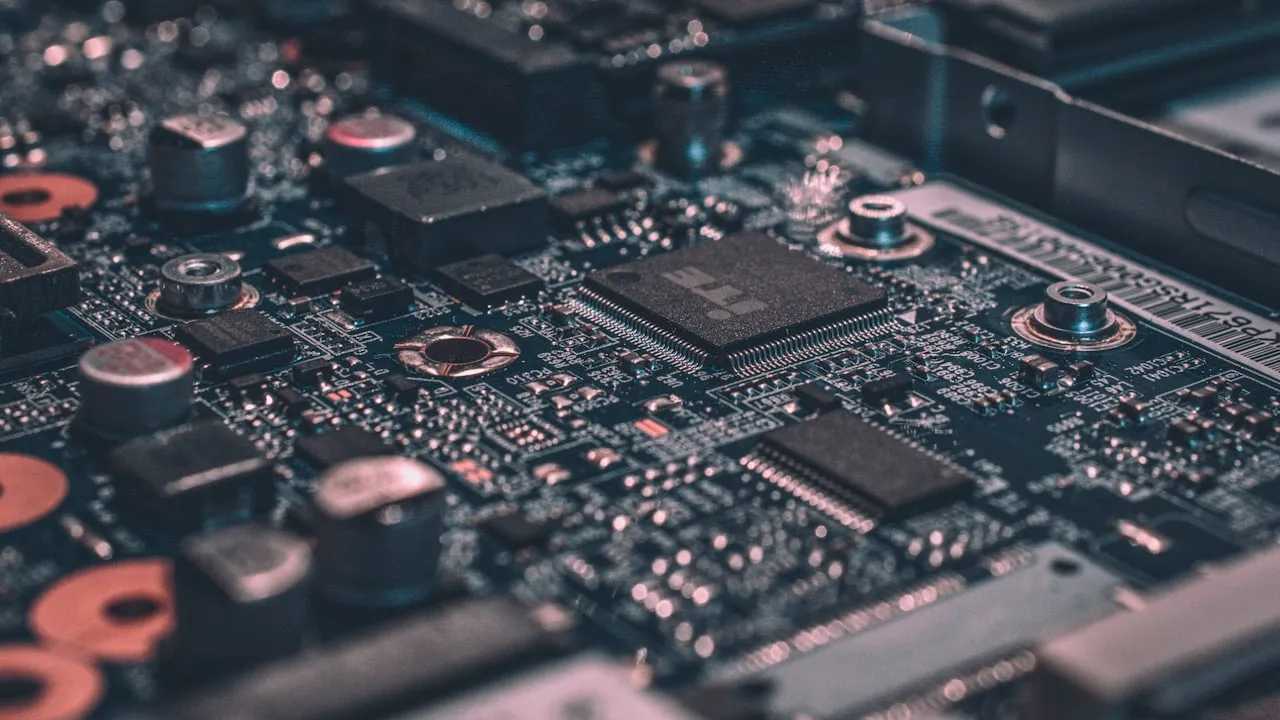
A New Chip Architecture Promises to Break the Memory Bottleneck
By moving computation closer to where data lives, a generation of new processors aims to solve the problem that has quietly throttled performance for years.
The Meridian Dispatch
One email, twice a week. The stories that crossed the line — from the news desk and the style desk both. No noise, no algorithm.